
January 25 2026: Celebrating the New Year
Sunday, January 25, 2026 – 2 pm
Landmark Center, St. Paul, MN
Gershwin: Overture to “Girl Crazy” (D. Rose, arr.)
Strauss Jr.: Wein, Weib und Gesang (Wine, Woman, and Song), Op. 333
Gould: “Pavanne” from American Symphonette No. 2
Rodgers: “The Carousel Waltz” from Carousel
Ravel: “Pavane pour une infante défunte”
Coleridge-Taylor: “The Bamboula”, Rhapsodic Dance No. 1, Op.75
Strauss Jr.: An der schönen blauen Donau (‘By the Beautiful Blue Danube’), Op. 314
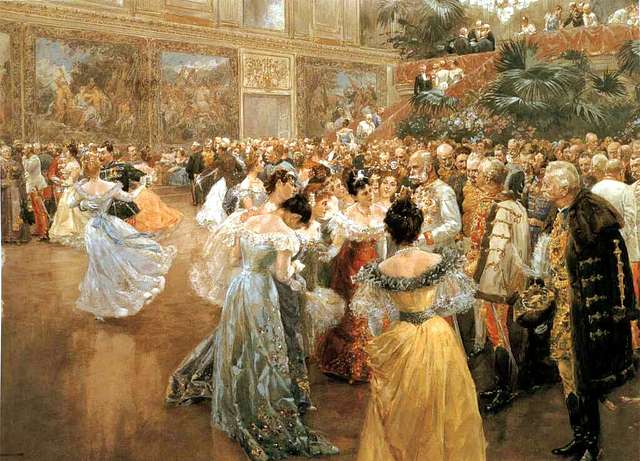
This program brings together concert music inspired by dance, theater, and popular tradition, drawing on a long-standing association between the New Year and the waltz as both a social dance and a concert tradition. From Broadway overtures and American symphonic miniatures to Viennese waltzes and French impressionism, the selections trace how composers on both sides of the Atlantic transformed music for movement and the stage into enduring orchestral works.
George Gershwin: Overture to “Girl Crazy” (arr. D. Rose)
Originally written for the 1930 Broadway musical Girl Crazy, Gershwin’s overture showcases his signature fusion of jazz, popular song, and classical orchestration. The musical launched several of Gershwin’s most famous songs, including “I Got Rhythm,” and the overture distills its energetic spirit into a concert setting. Gershwin’s ability to bridge popular and classical traditions helped define an American orchestral voice in the early twentieth century.
(Source:
Wikipedia: Girl Crazy)
Morton Gould: “Pavanne” from American Symphonette No. 2
Morton Gould’s American Symphonettes reflect his lifelong interest in blending classical forms with distinctly American idioms. The “Pavanne” draws on the stately Renaissance dance form, reimagined through a modern orchestral lens. Elegant and restrained, the movement highlights Gould’s gift for clarity, balance, and subtle rhythmic inflection.
(Source:
Wikipedia: Morton Gould)
Richard Rodgers: “The Carousel Waltz” from Carousel
“The Carousel Waltz” opens Rodgers and Hammerstein’s 1945 musical Carousel, establishing its emotional and musical world without words. Expansive and lyrical, the waltz demonstrates Rodgers’s mastery of long melodic lines and orchestral color. It has since become a concert favorite, standing on its own as a symphonic showpiece.
(Source:
Wikipedia: Carousel)
Maurice Ravel: Pavane pour une infante défunte
Ravel composed this pavane as a nostalgic evocation of a bygone era rather than as a literal funeral piece. Graceful and understated, the work reflects Ravel’s fascination with historical dance forms filtered through his refined harmonic language. Its serene pacing and delicate orchestration have made it one of his most beloved works.
(Source:
Wikipedia: Pavane pour une infante défunte)
Samuel Coleridge-Taylor: “The Bamboula”, Rhapsodic Dance No. 1, Op. 75
Coleridge-Taylor’s Bamboula draws inspiration from Afro-Caribbean rhythms and dance traditions, shaped into a vivid orchestral rhapsody. Energetic and colorful, the piece reflects the composer’s interest in diasporic musical influences and his ability to integrate them into late-Romantic orchestral writing.
(Source:
Wikipedia: Samuel Coleridge-Taylor)
Johann Strauss II: Wein, Weib und Gesang, Op. 333, and An der schönen blauen Donau, Op. 314
Johann Strauss II, often called the “Waltz King,” brought Viennese dance music to international prominence. Wine, Woman, and Song is exuberant and celebratory, while The Blue Danube has become one of the most recognizable orchestral works ever written. Together, these waltzes exemplify Strauss’s effortless melodic charm and his role in elevating social dance music to the concert stage.
(Source:
Wikipedia: Johann Strauss II)
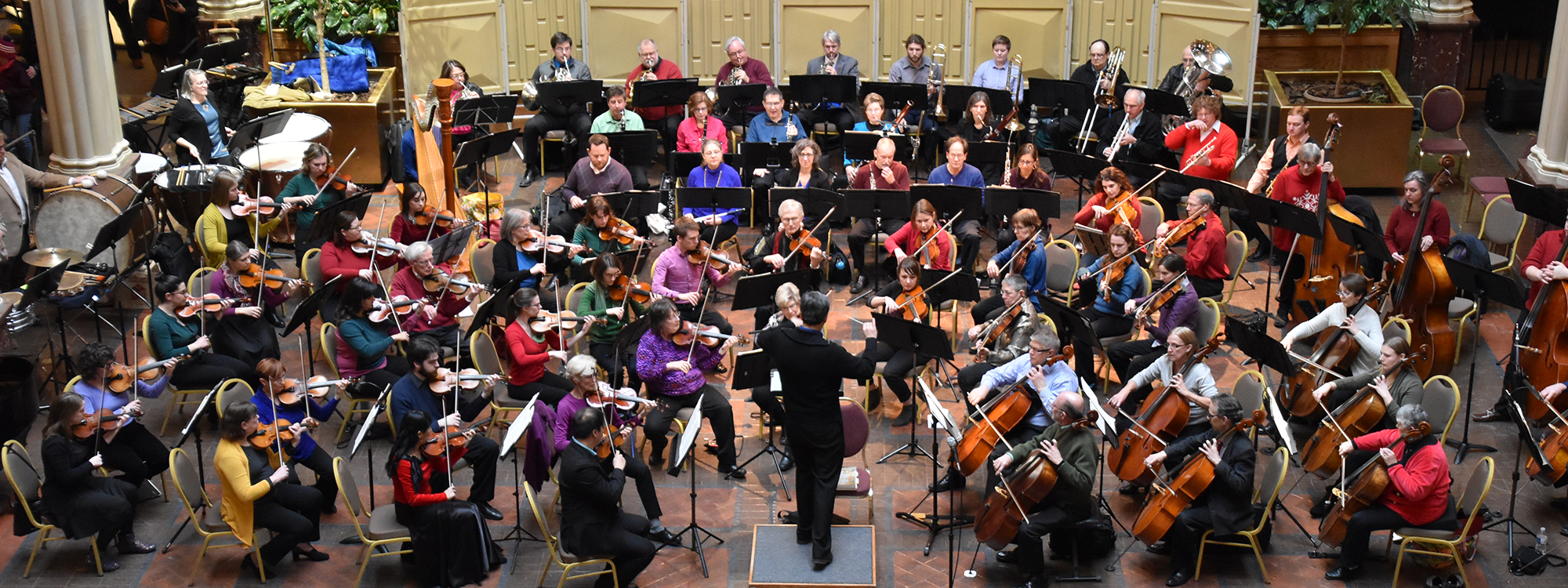
Featured image courtesy of Gary Stockbridge.